

Music as Torture
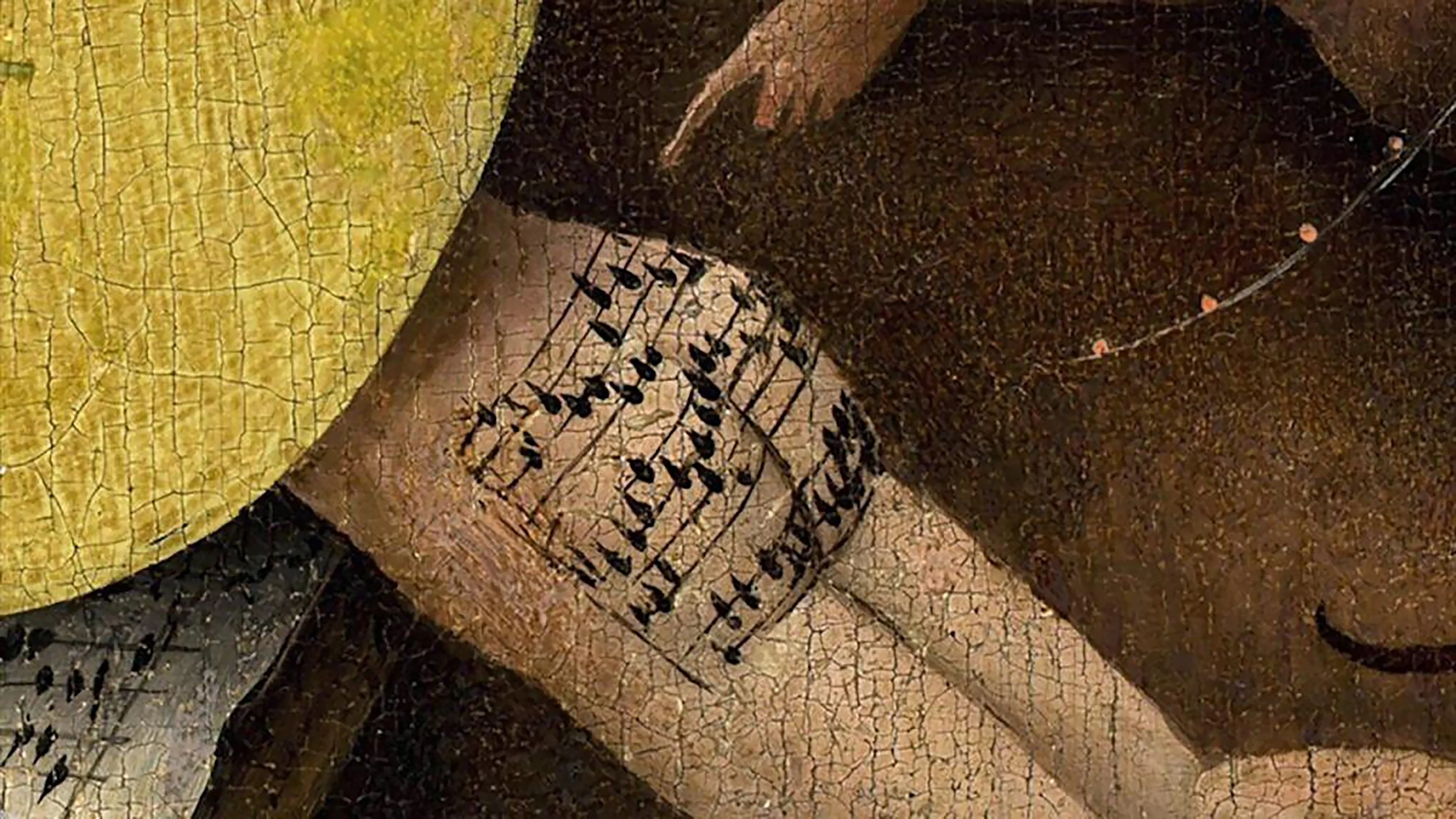
Music as Torture in Bosch
Music dominates the infernal imagination of Hieronymus Bosch. In the famous Hell panel of The Garden of Earthly Delights, giant instruments become devices of punishment, bodies are crushed beneath harps and lutes, and musical notation appears written across human flesh itself.
Bosch lived in a civilization profoundly shaped by sound. Bells, chants, horns, drums, songs, and liturgical music structured medieval life psychologically and spiritually. Music could elevate the soul toward God, but it could also accompany drunkenness, lust, carnival excess, vulgarity, and moral disorder.
In Bosch’s Hell, music no longer consoles. It tortures.
This inversion is extraordinarily important. Medieval Christianity often understood harmony as a reflection of divine order. Sacred music possessed cosmic significance. But when sound became separated from spiritual orientation, it could descend into seduction, distraction, and chaos.
Musical instruments become infernal machinery.
The scene does not feel silent for a single instant. One can almost imagine metallic resonance, broken chants, screams merging with mechanical rhythm, and waves of tortured noise echoing across the darkness.
The famous “musical buttocks” passage in The Garden of Earthly Delights demonstrates Bosch’s strange union between humiliation, corporeality, and corrupted harmony. Scholars have even attempted to reconstruct the melody written across the figure.
The musical notation painted onto human flesh inevitably recalls modern tattoo culture. In contemporary society, some individuals transform large portions of the body into surfaces of symbolic inscription. Bosch’s imagery introduces a darker possibility. The figure in Hell appears overwritten, almost invaded by external signs. Flesh no longer feels entirely intimate or protected, but exposed to endless marking and display. The detail remains unsettling precisely because it touches something still psychologically recognizable today.
Bosch understood that music acts directly upon the body. Rhythm alters emotion, movement, and states of consciousness. Medieval authorities recognized this power clearly; certain songs accompanied festivals, intoxication, erotic dancing, and public disorder.
Yet Bosch was not condemning music itself. Medieval Christianity depended profoundly upon sacred sound. Gregorian chant, bells, liturgical singing, and ceremonial processions formed part of daily religious experience.
The danger, for Bosch, was not melody but excess — pleasure transformed into compulsion.
This remains unexpectedly relevant today.
Personally, I do not consider myself a moralist. Many artistic traditions contain eroticism, sensuality, and playful innuendo. Yet some forms of contemporary reggaeton can feel strikingly graphic and mechanically sexualized, reducing intimacy into repetitive stimulation.
Bosch’s musical punishments unexpectedly echo this anxiety. When rhythm loses transcendence, music risks becoming purely bodily — hypnotic, compulsive, repetitive, and spiritually vacant.
The central panel of The Garden of Earthly Delights already behaves almost choreographically. Human figures circulate in continuous movement without clear destination or hierarchy. In the Hell panel, that sensual circulation hardens into punishment.
Bosch may be suggesting something profoundly theological: pleasure itself can become infernal when separated from metaphysical order.
This is why Bosch’s imagery remains psychologically powerful centuries later. His paintings do not condemn beauty itself. They warn about beauty transformed into obsession.
Music becomes one of Bosch’s great symbols of ambiguity. The force capable of elevating human consciousness toward contemplation can also imprison it within appetite and repetition.
Juan de Barrientos