

The Miracle of Saint Anthony
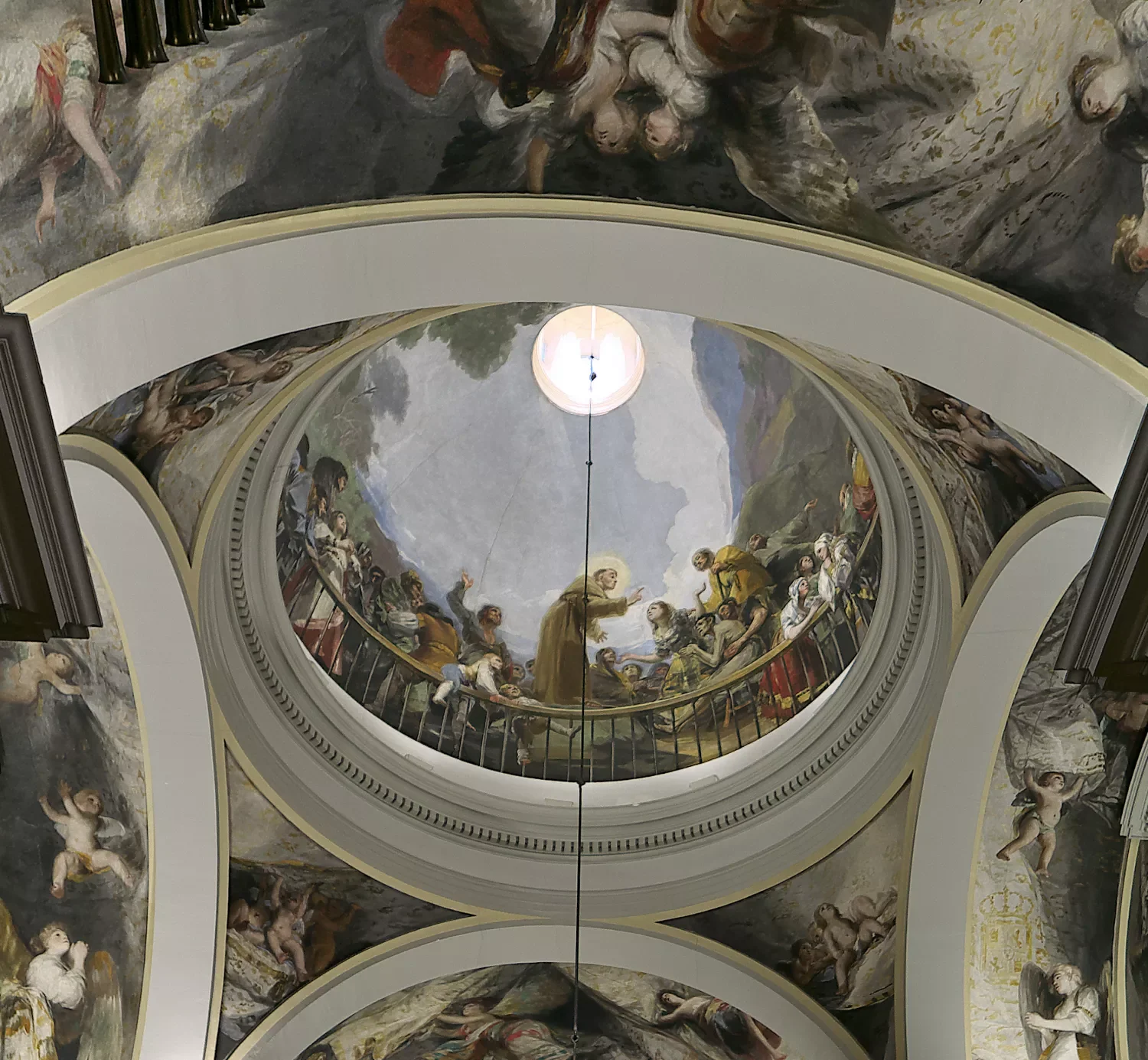
The Miracle of Saint Anthony
A Saint Who Refused to Be Forgotten
Every generation preserves certain stories because they answer questions that never disappear. Among the most enduring is the miracle of Saint Anthony of Padua, a story in which justice seems impossible until heaven intervenes.
Born in Lisbon around 1195 as Fernando Martins de Bulhões, Anthony received an outstanding education before entering the Augustinian Order. The return of the relics of five Franciscan martyrs transformed his life. Inspired by their courage, he joined the Franciscans, embraced poverty and dedicated himself to preaching the Gospel.
Illness prevented him from becoming a missionary in North Africa, yet what appeared to be failure became providence. His extraordinary knowledge of Scripture, combined with humility and compassion, soon attracted immense crowds throughout Italy and beyond.
When he died in Padua in 1231, only thirty-six years old, his reputation for holiness had already spread across Europe. Canonised within a year, he became one of Christianity's most beloved saints. Countless miracles were attributed to him, but one would eclipse all the others—a dead man returning briefly to speak, not to prolong his life, but to defend the innocent.
Centuries later, that extraordinary episode would inspire Goya to create one of the most original religious images in European art.
The Miracle That Defied Death
The story begins with an apparent failure of justice. A young man is found murdered, and suspicion falls upon his own father. No witness can establish the truth, and an innocent man seems destined for condemnation.
Convinced of the father's innocence, Saint Anthony kneels beside the lifeless body and prays. Before the astonished crowd, the dead man briefly returns to life. His words are simple and decisive: his father did not kill him. He identifies the true murderer, restoring justice before surrendering himself once more to death.
Whether read as history, sacred tradition or theological narrative, the episode speaks of far more than a supernatural event. It proclaims that truth is not limited by human evidence and that divine justice reaches where earthly justice cannot.
Why Goya Chose This Miracle
Goya could have painted many episodes from the saint's life, yet he chose the one that places justice at its centre. The miracle is not about spectacle; it is about innocence vindicated when every human solution has failed.
The painter also shifts our attention away from the saint alone. Instead, he studies the witnesses. Their expressions reveal surprise, hesitation, curiosity and reflection. By dressing them in the fashions of eighteenth-century Madrid, he quietly suggests that the questions raised by the miracle belong to every generation. How would we react if confronted with the impossible?
Goya's Revolutionary Interpretation
Earlier artists usually glorified the miraculous event itself. Goya transforms the narrative by making the crowd almost as important as the saint. Every face becomes a different response to the same mystery.
The illusionistic balustrade draws painted spectators towards the real visitors below, dissolving the boundary between art and life. The miracle is no longer something observed from a distance; we become part of its audience. In that subtle decision lies one of Goya's greatest achievements.
The Story That Still Speaks
More than eight centuries later, the miracle of Saint Anthony continues to resonate because it expresses a hope shared by every society: that truth can prevail even when all human evidence seems lost.
For believers, it affirms God's sovereignty over death and justice. For admirers of Goya, it reveals why this medieval tradition became the heart of one of his greatest frescoes.
Perhaps that is the miracle's deepest legacy. It reminds us that the decisive moment is not when the dead speak, but when the living choose whether to believe what they have heard. That question, as Goya understood, remains as relevant today as it was centuries ago.
Juan de Barrientos